The Portuguese were the first Europeans to reach Australian shores, either 1522 or 1601
Exploring recently the works of historian Rainer Daehnhardt, of German extraction for an eventual chapter on Portuguese-German connections, I came across one of his latest books on the Portuguese priority regarding the European discovery of Australia, mentioned below. That brought to…
O Português, Portuguez, der Portugalöser, Portugaleser, or Golden Portuguese coin
In a recent visit to the Money Museum in Lisbon (Museu do Dinheiro) the tour guide called our attention to one exceptionally important historical Portuguese gold coin, commissioned by king Manuel the first, to commemorate the Portuguese Empire and Discoveries. “It was first minted shortly…
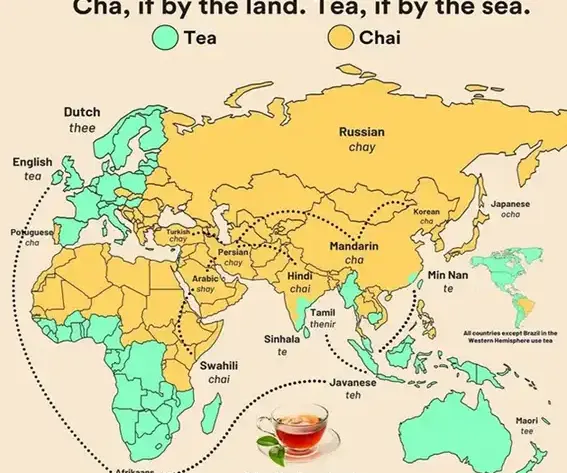
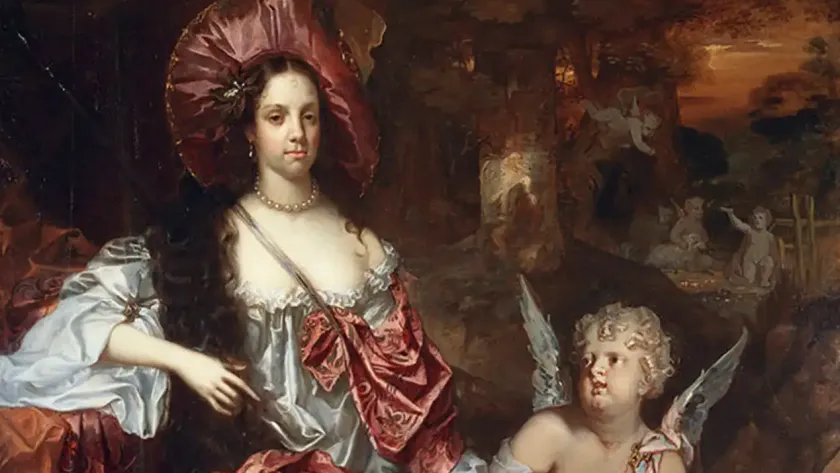
A cup of tea... or cha?
Ch'a, Chá, Chai, Té, Tè, Te, Tea, Tee, Thé, Thee... are only some of the versions of this drink’s name. Apparently they fall in 2 different categories, and some try to assert the split between the two as depending on the way this drink/plant reached its geographic target, as…
The Legacy of Asia
“For crop transferences between Asia and Africa and America, the Portuguese are again presumed to have been largely responsible. To them, for want of other evidence, are attributed the introduction of coconuts and Asiatic, rice to West Africa, of eddoes (Colocasia) to America, and the fact that in India such…
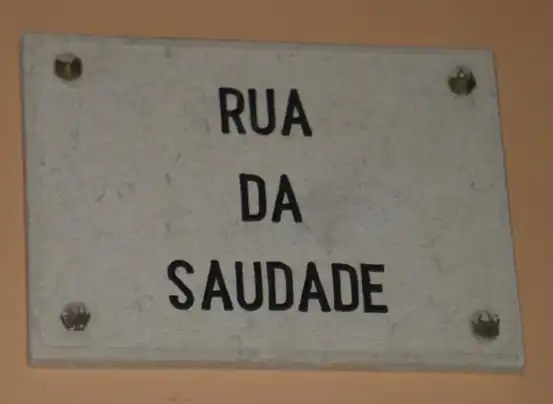
Saudade and Saudosismo
Saudade has been promoted by some to a philosophical attitude/state of mind they say was impersonated by the Portuguese people in its shape of saudosismo. Hope you are not persuaded to delve into this by for instance reading “A Saudade e o Saudosismo” by Teixeira de Pascoaes[1] (Círculo de Leitores, 1990), or…
Portuguese language
Around a week ago I came across the news that we were celebrating the World Portuguese Language Day (May 5th) (or Dia da Lusofonia), so I decided to go back to the text I had written over some years ago on the subject, as it is not to expect that this kind of…
Carlos Paredes
Carlos Paredes was a virtuoso Coimbra style of the Portuguese guitar player and composer. Known as the ‘Man of Thousand Fingers’ he is regarded as one of the greatest players of Portuguese guitar of all-time.
“There are two distinct Portuguese guitar models: the Lisboa and the Coimbra. The differences between the two models…
Vasco da Gama
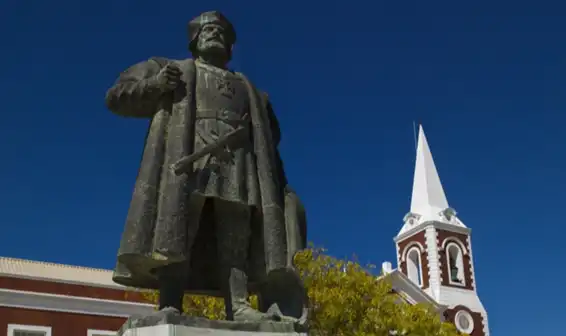
Figure 1- Statue of Vasco da Gama on the island of Mozambique, on whose vicinity he spent a few weeks on the way to India
Now that we are at it, please let me take advantage of this day, December 24, 2024, to mention the 500 years of the death of Vasco da…
Camões
Luís Vaz de Camões, sometimes anglicized as Camoens or Camoëns, is considered Portugal's and the Portuguese language's greatest poet. His mastery of verse has been compared to that of Shakespeare, Milton, Vondel, Homer, Virgil and Dante. He wrote a considerable amount of lyrical poetry and drama but is best remembered for his epic work…
Os Magriços, the skinny “Twelve of England” and Eusébio
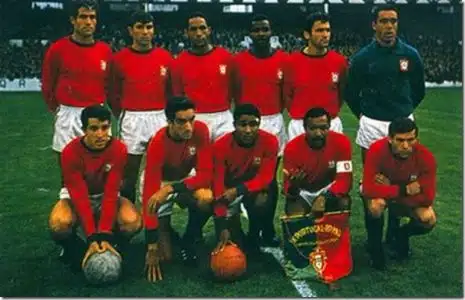
The Magriços was the nickname given to the Portugal national football team which finished third at the 1966 FIFA World Cup in England. The nickname is derived from a 15th-century Portuguese chivalric legend - The Twelve of England (Portuguese: Os Doze de Inglaterra). It was made…
The Ukulele, or should we say Braguinha, or Cavaquinho, or…?
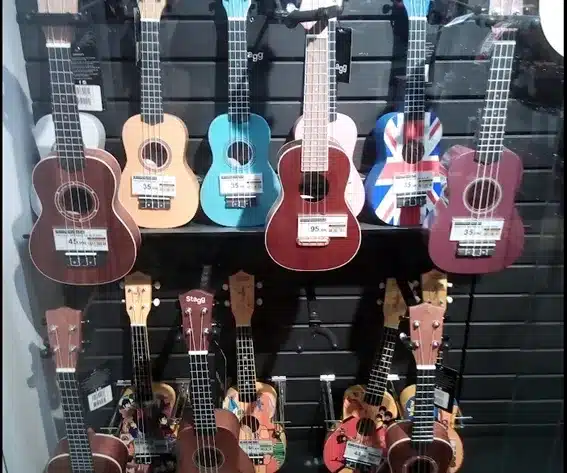
Some Sri Lanka ensembles played ukuleles, an instrument adopted in Hawaii from the Portuguese cavaquinho, braguinha or machete chordophones brought over by immigrants from the Portuguese Atlantic islands to work on the sugar cane plantations there.
Figure 1 - The Ukulele
Braguinha (from Braga, North Portugal),…
Portuguese Man O’ War, or Portuguese Caravel
Figure 1 - Portuguese man o' war
The Portuguese Man O' War, also known as The Bluebottle in Australia, and named 'Caravela Portuguesa (Portuguese Caravel) in Portuguese, is named for its air bladder, which looks similar to the sails of the Portuguese fighting ship (Man of war) 'Caravela redonda'…